Hey there! I’m a supplier in the vacuum casting services game. Today, I’m gonna walk you through the steps involved in vacuum casting services. It’s a pretty cool process that can turn your ideas into real, tangible products. So, let’s dive right in! Vacuum Casting Services

Step 1: Concept and Design
First things first, you gotta have an idea. Whether it’s a new gadget, a prototype for a product, or a custom part, you need to have a clear concept in mind. Sketch it out on paper or use 3D modeling software to create a digital design. This step is crucial because it sets the foundation for the whole process.
Once you have your design, it’s time to make some decisions. Think about the size, shape, and material you want to use. You also need to consider any special features or details you want to include. For example, if you’re making a toy, you might want to add some texture or color to make it more appealing.
Step 2: Master Pattern Creation
After you’ve finalized your design, it’s time to create the master pattern. This is a physical model of your product that will be used to make the mold. There are a few different ways to create a master pattern, but the most common method is using 3D printing.
3D printing is great because it allows you to create complex shapes and details with high precision. You can use a variety of materials for 3D printing, including plastic, resin, and metal. Once the master pattern is printed, it’s important to clean and finish it to ensure a smooth surface.
Step 3: Mold Making
Now that you have your master pattern, it’s time to make the mold. The mold is what will be used to create the final product. There are two main types of molds used in vacuum casting: silicone molds and polyurethane molds.
Silicone molds are flexible and can be used to create complex shapes. They’re also relatively easy to make and can withstand multiple casting cycles. Polyurethane molds, on the other hand, are more rigid and are better suited for creating parts with a high level of detail.
To make the mold, you’ll need to place the master pattern in a mold box and pour the liquid mold material over it. The mold material will then cure and harden, creating a negative impression of the master pattern. Once the mold is ready, you can remove the master pattern and prepare it for casting.
Step 4: Material Selection
The next step is to choose the right material for your product. There are a wide variety of materials available for vacuum casting, including plastics, rubbers, and resins. The material you choose will depend on the properties you need for your product, such as strength, flexibility, and durability.
For example, if you’re making a part that needs to be strong and rigid, you might choose a plastic material like ABS or polycarbonate. If you need a part that’s flexible and rubbery, you might choose a silicone or polyurethane rubber.
Step 5: Vacuum Casting Process
Once you have your mold and your material, it’s time to start the vacuum casting process. This involves placing the mold in a vacuum chamber and pouring the liquid material into the mold. The vacuum chamber helps to remove any air bubbles from the material, ensuring a smooth and consistent finish.
The liquid material will then cure and harden inside the mold, taking on the shape of the master pattern. The curing time will depend on the type of material you’re using and the size of the part you’re casting. Once the material has cured, you can remove the part from the mold and trim any excess material.
Step 6: Finishing and Post-Processing
After the part has been removed from the mold, it’s time to finish and post-process it. This might involve sanding, polishing, painting, or adding any other finishing touches to make the part look its best. You might also need to perform some additional testing or quality control checks to ensure that the part meets your specifications.
Finishing and post-processing can be a time-consuming step, but it’s important to take the time to get it right. A well-finished part will not only look better but will also perform better and last longer.
Step 7: Quality Control
Throughout the entire vacuum casting process, it’s important to perform quality control checks to ensure that the final product meets your standards. This might involve checking the dimensions, the surface finish, and the mechanical properties of the part.
You can use a variety of tools and techniques to perform quality control checks, including calipers, micrometers, hardness testers, and tensile testers. By performing regular quality control checks, you can catch any issues early on and make the necessary adjustments to ensure that the final product is of the highest quality.
Step 8: Packaging and Shipping
Once the part has passed all of the quality control checks, it’s time to package and ship it. You’ll need to choose the right packaging materials to protect the part during shipping. This might involve using bubble wrap, foam inserts, or custom packaging boxes.
You’ll also need to choose the right shipping method based on the size, weight, and destination of the part. You can use a variety of shipping carriers, including UPS, FedEx, and DHL. By choosing the right packaging and shipping method, you can ensure that the part arrives at its destination safely and on time.
Why Choose Our Vacuum Casting Services?
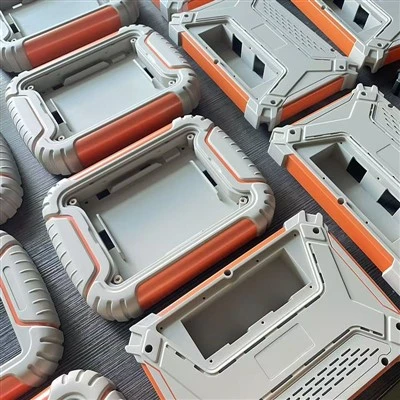
Now that you know the steps involved in vacuum casting services, you might be wondering why you should choose our company for your next project. Well, here are a few reasons:
- Experience: We’ve been in the vacuum casting business for years, and we have the experience and expertise to handle even the most complex projects.
- Quality: We’re committed to providing the highest quality products and services. We use the latest technology and equipment to ensure that our parts are of the highest quality.
- Customer Service: We believe in providing excellent customer service. We’ll work closely with you throughout the entire process to ensure that your project is a success.
- Competitive Pricing: We offer competitive pricing without compromising on quality. We’ll work with you to find a solution that fits your budget.
5-Axis CNC Machining If you’re interested in learning more about our vacuum casting services or if you have a project that you’d like to discuss, please don’t hesitate to contact us. We’d be happy to answer any questions you might have and provide you with a free quote.
References
- "Vacuum Casting: A Comprehensive Guide." Manufacturing.net.
- "The Basics of Vacuum Casting." 3D Printing Industry.
- "Vacuum Casting Process and Applications." Plastics Technology.
Shenzhen Multi-Wins Precision Technology Co., Ltd.
As one of the most professional vacuum casting manufacturers and suppliers in China, we have world-leading production equipment and strong manufacturing capabilities. Please feel free to buy customized vacuum casting made in China here from our factory. Also, quotation is available.
Address: 1 Phase, Yi’an City Central Garden, Longfei Avenue, Longgang District, Shenzhen, GD, China. 518100
E-mail: info@multi-wins.com
WebSite: https://www.multi-wins.com/
