If you’ve ever visited a blown film extrusion line floor, you know the screw isn’t just a metal rod that spins around inside the barrel. It’s the unsung hero of the whole process—especially when it comes to that magic moment where raw plastic pellets turn into smooth, stretchable film. As a blown film extrusion line supplier, I get asked all the time: why do some screws work way better for certain materials, and how does that “plasticizing effect” actually change the final product? Let me break this down like I would for a new operator who just got their first line running. Blown Film Extrusion Line

First, let’s cut the jargon a little. Plasticizing in extrusion is basically two jobs at once: melting the plastic pellets into a uniform melt, and mixing it so there are no hard bits, hot spots, or inconsistencies. If your plasticizing is off, you’ll get film with streaks, weak spots, or even breaks mid-line. And here’s the thing: every screw geometry changes how that plasticizing happens. I’ve seen so many operators swap out a standard screw for a modified one and see their output jump 20%—no extra power, no bigger motor, just a better plasticizing effect.
Let’s start with the most common type you’ll find on a basic blown film line: the general purpose (GP) screw. This is the workhorse, right? It’s got a consistent channel depth along most of its length, with a compression zone where the channel gets shallower to squeeze the pellets. For what it’s built for—stuff like low-density polyethylene (LDPE) or linear low-density polyethylene (LLDPE) blends—it’s solid. But let’s be real, its plasticizing effect is pretty average. The consistent channel means heat builds up mostly from friction between the screw and the plastic, not much from shear mixing. That works for simple films, but if you’re running a material with a lot of fillers—like calcium carbonate for cheap trash bags—this screw will struggle. The fillers don’t mix evenly, so you get lumps that show up as imperfections in the film. And because the compression ratio is usually around 2.5:1 to 3:1, it doesn’t squeeze out air bubbles trapped between pellets as well. Air bubbles mean voids in the film, which make it weaker. I see a lot of new lines come with GP screws, and they’re perfect for testing or small runs, but not for high-volume, specialty work.
Next up: the barrier screw. This is where the plasticizing effect gets interesting. A barrier screw has an extra flight that splits the channel into two parts—one for solid pellets, one for molten plastic. Here’s why that changes things: instead of melting all the pellets at once in the main channel, you separate the unmelted material so it doesn’t sit in the melt too long. No more overheating the plastic, which is a big deal for things like LDPE that can degrade if they get too hot. The barrier design also adds more shear mixing than a GP screw, but gentle shear. That means fillers get mixed in way more evenly, so your film is smoother and stronger. I had a customer last year who was making bread bags with a 50% LDPE/50% regrind blend—their GP screw was leaving streaks of unmelted regrind, and they were wasting 15% of their output to scrap. Swapping to a barrier screw cut their scrap down to 2%, just from better plasticizing. The compression ratio here is usually a bit higher, around 3:1 to 3.5:1, so it also removes more air, which is why barrier screws are super popular for food-grade films where consistency matters a lot.
Then there are the high-shear screws. These are the weirdos, the ones that stand out in a warehouse full of standard screws. High-shear screws have shallow channel depths, especially in the mixing zone, and sometimes extra pins or grooves that make the plastic twist and turn more as it moves through. Their plasticizing effect is all about intense shear. If you’re running materials that are hard to melt—like high-density polyethylene (HDPE) or even polypropylene (PP)—this is your guy. HDPE has a higher melting point than LDPE, so you need more shear to generate enough heat to melt it evenly. I used to work with a manufacturer who made grocery bags from 100% HDPE; their GP screw would take forever to melt the pellets, so they could only run at 30 lbs per hour. Swapping to a high-shear screw let them run at 55 lbs per hour, no change in melt quality. But here’s the catch: too much shear, and you degrade the plastic. That breaks down the polymer chains, making the film weaker and more prone to tearing. High-shear screws aren’t for everyone. If you’re making stretch film or cling wrap from LLDPE, too much shear will make the film lose its elasticity. I always tell customers to match the shear to their material, not just go for the highest-shear screw they can get.
Wait, let’s not forget about mixed-design screws. A lot of modern lines now use a combination that’s part barrier, part high-shear—sometimes called a “modified barrier screw” or a “universal screw.” These are my favorite for mid-sized operations that run multiple materials. The first half of the screw is a barrier design for gentle melting, and the end has a mixing section with small elements that add just enough shear to get consistent mixing without degrading the plastic. I had a customer who runs four different products: LDPE shrink film, LLDPE stretch film, HDPE grocery bags, and even small runs of recycled film. Instead of buying three separate screws, they bought one mixed-design screw, and it worked for all of them. The plasticizing effect here is flexible—they can adjust the temperature and speed of the line to tweak how much shear they want, so they never have to stop to swap screws unless they’re switching to a super specialty material. That’s a huge time saver for production, right?
Now, let’s talk about something most operators overlook: how screw length and pitch affect plasticizing. It’s not just the shape of the channel, but how long the screw is. A longer screw (with a higher length-to-diameter ratio, or L/D ratio) gives the plastic more time to melt and mix. Most standard screws have an L/D of 24:1 to 30:1, but some specialty ones go up to 40:1. For materials that take longer to melt, like regrind or filled plastics, a longer screw means better plasticizing. Shorter screws are cheaper, but they often have to run faster, which adds more heat from friction. That can lead to degraded plastic, especially for heat-sensitive materials like bioplastics. Speaking of bioplastics—they’re a big thing now, and most standard screws don’t handle them well. Bioplastics like PLA melt at lower temperatures, so too much shear or too much heat will make them burn. A lot of my customers running bioplastic lines are switching to low-shear, long-L/D screws, because their plasticizing effect is gentle enough to not ruin the material.
I get calls every week from operators who think their line’s problem is the barrel, or the resin, but it’s almost always the screw. Last month, a small manufacturer called me, frustrated because their film kept breaking on the take-up line. They tried three different LDPE resins, adjusted the temperature 10 degrees higher and lower, but nothing worked. I asked them what screw they were using, and they said it was the stock GP screw that came with their line. I recommended they swap out the mixing end of the screw for a simple Maddock mixer—those are small, removable elements that add shear without changing the whole screw. Two weeks later, they called back saying the break rate went from one every 10 minutes to one every two hours. That’s the plasticizing effect in action: a small change to the screw makes the melt more uniform, so the film is stronger.
Let me also clear up a common myth. A lot of people think more horsepower equals better plasticizing, but that’s not true. If your screw is bad at plasticizing, adding more power just means you’re pushing more unmelted pellets through the barrel, not a better melt. I’ve seen a line with a 100 HP motor run worse than a line with a 50 HP motor, just because the 50 HP line had a properly designed barrier screw. The key is matching the screw’s plasticizing effect to your material and output needs.
So, what does this all mean for you, whether you’re running a small blown film line or a big factory? The screw’s plasticizing effect isn’t a one-size-fits-all. If you’re making simple LDPE film on a basic line, a GP screw is fine. If you’re running food-grade film, regrind blends, or specialty materials, a barrier or mixed-design screw will save you money on scrap and increase output. If you’re working with hard plastics like HDPE or bioplastics, a high-shear or low-shear long screw is going to make a way better product.
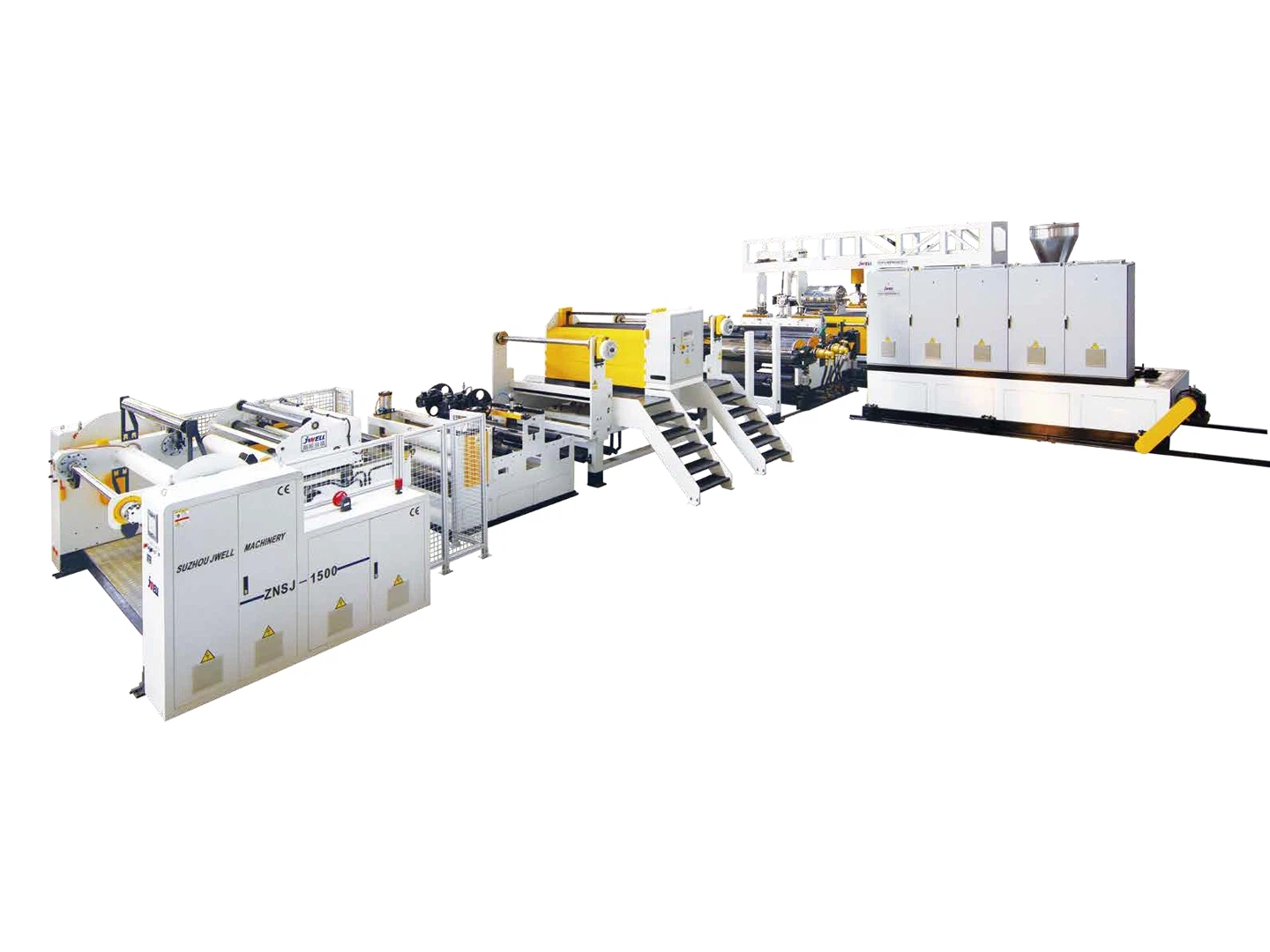
At the end of the day, the screw is one of the most impactful parts of your blown film line, and it’s often the easiest to upgrade without buying a whole new machine. If you’re dealing with inconsistent film, high scrap rates, or trouble running new materials, the plasticizing effect of your screw is almost certainly the place to start. We’ve helped hundreds of customers tweak their screws, modify mixing elements, or swap geometries to get their lines running better, and we can help you too. If you’re tired of fighting with your film line and want to see what a proper plasticizing screw can do for your output and quality, reach out to us to chat through your needs. We don’t do one-size-fits-all solutions—we’ll help you find the right screw for your specific products and materials.
Compounding Equipment References:
- Tadmor, Z., & Gogos, C. G. (2013). Principles of Polymer Processing. John Wiley & Sons.
- Harper, C. A. (2002. Introduction to Plastics Manufacturing. McGraw-Hill.
- Rosato, D. V., & Rosato, M. G. (1998. Extrusion Technology Handbook. Industrial Press Inc.
Anhui Jwell Filmtec Equipment Co., Ltd.
Anhui Jwell Filmtec Equipment Co., Ltd. is one of the most professional blown film extrusion line manufacturers and suppliers in China, featured by quality products and competitive price. Please rest assured to buy blown film extrusion line made in China here from our factory. Contact us for quotation.
Address: No.128 Qingfeng Road, Xieqiao Town, Haining City, Jiaxing City, Zhejiang Province, China
E-mail: salcc@jwell.cn
WebSite: https://www.jwellfilmtec.com/
