Hey everyone, if you’ve been in the livestock feed game for more than a minute, you’ve probably glanced at a stack of plastic feed bags in your barn or storage shed before. That’s the thing we’ve seen a lot too—most feed bags out there are made from traditional plastics, right? The kind that sit in landfills for literal decades after you toss them, don’t break down easy, and sometimes even leach weird stuff if they sit out in the sun too long. Which makes a lot of farmers and feed suppliers (us included) ask this all the time: Are there livestock feed bags made from natural fibers? Livestock Feed Bags
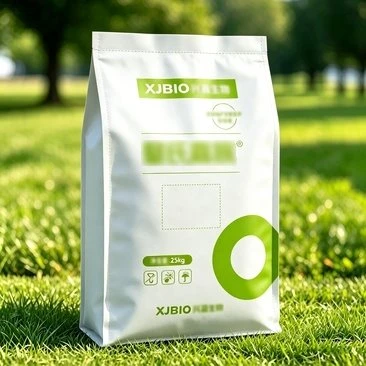
Short answer? Yeah, they exist, and they’re way more common than you might think. But let’s break this down without all the jargon—no stuffy scientific terms that you’d skip over while waiting for your tractor to warm up. Let’s start with why even bother with natural fiber feed bags in the first place. If you’re raising cattle, sheep, chickens, or whatever, your main job is keeping your animals healthy, your costs manageable, and your operations as low-waste as possible, especially now that regulations around plastic waste are tightening almost everywhere.
First off, what actually counts as a natural fiber for feed bags? It’s not just “plant stuff”—we’re talking fibers that come straight from nature, no synthetic chemicals twisted into them. The big ones you’ll see are hemp, jute, cotton bolls (the short, fuzzy stuff no one uses for regular cotton clothes), and even some types of flax. Wait, you might be thinking: Cotton? But isn’t cotton kind of thirsty for water? Fair point, but organic cotton (the kind that doesn’t use tons of pesticides) actually works pretty well for feed bags because it’s tough enough to hold 50, 100, even 200 lbs of feed without tearing. Jute is super popular too—it’s that rough, brown fiber you see in burlap sacks, right? That’s exactly what we use for some of our smaller feed bags for things like poultry feed or sheep minerals.
Now, let’s get to the “how” of these bags, because a lot of people assume natural fibers are flimsy—like, you’d rip a jute sack just hauling it from your truck to the barn. But modern manufacturing has fixed that. Back in the day, burlap would break if it got even a little damp, and no one wants a pile of corn feed spilled all over your driveway. Now, these natural fiber bags get treated with what’s called a “bio-resin coating”—it’s not plastic, I promise. It’s made from things like corn starch or soy protein, so it’s still compostable, but it gives the bag a little water resistance. That way, if it rains on the bag while it’s sitting outside (which happens to everyone, let’s be real), it doesn’t turn into a soggy mess. We test our bags all the time—we stack 10 of ’em on a pallets, drag ’em over gravel, leave ’em out in a light rain for 8 hours, and not a single one tears or leaks.
Another big thing: These bags are actually better for the feed inside, sometimes. Traditional plastic bags can let in tiny amounts of moisture or oxygen over time, which can make grain or pellets go stale faster. Natural fibers breathe, so the feed inside stays fresher longer. We had a farmer tell us last month that his 100-lb natural fiber bag of cow feed stayed good two weeks longer than the plastic ones he used to buy. That adds up—less wasted feed, which is a big win for anyone running a operation.
But let’s be real, it’s not all perfect. If you’re looking for a 500-lb bag of alfalfa hay pellets, natural fiber might not be your first pick right now. The bigger the bag, the more expensive the raw fiber is, and the harder it is to weave it tight enough to hold that much weight without heavy coatings. Also, if you’re in a super dry, dusty area, natural fiber can collect dust easier than plastic, so you might want to wipe ’em down before you haul ’em inside. But for most small to mid-sized operations—you know, the ones with 50 head of cattle or a few thousand chickens—natural fiber bags work great.
Wait, and here’s something a lot of people don’t talk about: The environmental side. When you’re done with a natural fiber feed bag, you can just toss it in your compost pile, or even plow it under in your field. It breaks down in like 3-6 months, versus plastic which takes 200+ years. We’ve had customers who have their own livestock manure piles—they even add the old feed bags to the pile, and it just turns into compost with the rest of the barn waste. That’s a huge plus for guys who are trying to reduce their farm’s carbon footprint, or even sell their manure as compost later—no plastic bits contaminating it.
Now, as a feed bag supplier, we’ve gotten so many questions about these bags over the last year or so. A lot of big ag companies are starting to catch on too—you might’ve seen a few national brands switching some of their lines to natural fiber. But there’s still a lot of misinformation out there. Some people think natural fiber bags are less hygienic, but we test all our bags for mold and bacteria—same as we do for plastic. The bio-coating we use is actually anti-microbial, so it’s just as safe for feed as any plastic bag. No weird chemicals leaching into your animal’s food, either—we don’t use any synthetic additives in our coatings.
Let’s talk costs, because that’s the make-or-break for most farmers. A lot of people assume natural fiber is way more expensive, but honestly? For 50 and 100-lb bags, it’s only about 10-15% more than traditional plastic. And when you factor in less feed waste, easier composting (no trash bag fees for disposing of plastic bags), and even some tax breaks now for sustainable farming practices, it evens out a lot. We had a dairy farmer in Iowa tell us he saved almost $400 last quarter just by switching to natural fiber bags—less feed spoiled, and he didn’t have to pay the landfill to take his plastic feed bags anymore. That’s real money for anyone running a farm.
Wait, but what about animals that might chew on the bags? If you have pigs or goats, they might try to nibble on a bag. Natural fiber is totally non-toxic, so if a little bit gets eaten, it won’t hurt ’em. Plastic? You don’t want your animals chewing that, it can cause blockages. That’s another big plus—safer for your livestock, less trips to the vet, less stress for you.
Now, let’s clear up a common myth: Some people call these “biodegradable plastic bags,” but they’re not. They’re made with natural fibers, and their coatings are plant-based, so they’re compostable, not just biodegradable. Biodegradable still means they break down, but sometimes they leave microplastics behind. These ones? No microplastics. They just turn back into organic matter, same as a leaf or a piece of wood. That’s a huge difference when you’re worried about what’s going into the soil, or even into your local water supply.
If you’re still on the fence, here’s a quick test we do with potential customers. Bring one of our natural fiber bags to your farm, fill it with whatever feed you use most, leave it out in your usual weather for a week, and see how it holds up. We’re so confident in our bags that we’ll even let you test it before you buy a full pallet. A lot of suppliers won’t do that, but we know how it goes—you don’t want to switch to a new bag type that ends up falling apart after two days.
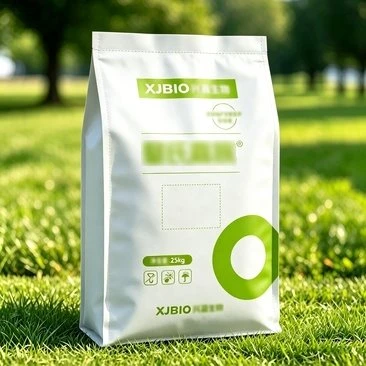
At the end of the day, we started making natural fiber feed bags because we saw farmers getting squeezed on all sides: higher feed costs, stricter waste regulations, and no good options that were actually good for their animals and the planet. We didn’t just jump on a trend—we spent two years testing different fibers and coatings to make a bag that actually works for real farms, not just marketing buzzwords.
Livestock Feed Bags If you’re curious about switching, or you just want to learn more about how natural fiber bags can fit your operation, we’re here to help. No pressure, no sales pitch—just guys who know the livestock industry, because we’re in it too. We can send you samples, walk you through pricing, or even talk about custom sizes if you need something specific for your feed. Don’t let the myth that natural fiber bags are weak or expensive stop you—they’re actually one of the simplest ways to make your farm a little more sustainable and save a little money in the process.
References
- USDA Agricultural Marketing Service. (2022). Sustainable Packaging Options for Livestock Feed Operations.
- Journal of Environmental Management. (2021). Compostability and Performance of Natural Fiber-Based Agricultural Packaging.
- National Corn Growers Association. (2023). Bio-Based Coatings for Agricultural Bags: Benefits for Farmers and Ecosystems.
- American Society of Agricultural and Biological Engineers. (2020). Mechanical Properties of Jute and Hemp Fibers for Heavy-Duty Agricultural Packaging.
Zhejiang Xifeng Packaging Co., Ltd.
We are one of the most experienced livestock feed bags manufacturers and suppliers in China. With a professional production team, we offer a wide range of products with superior quality. Please feel free to buy bulk livestock feed bags at competitive price from our factory. We also accept customized orders.
Address: Xiaojiang Town, Pingyang County, Wenzhou City, Zhejiang Province, China
E-mail: zjxifeng@126.com
WebSite: https://www.xifengpackaging.com/
