In the packaging industry, rollstock films stand out as a versatile solution for various products. One of the crucial aspects that significantly impacts their performance is the cold – resistance property. As a supplier of rollstock films, I’d like to delve into the details of this property, exploring its significance, influencing factors, and how it benefits our customers. Rollstock Films

The Significance of Cold – Resistance in Rollstock Films
Cold – resistance is not just an added feature; it’s a necessity in many industries. Imagine a food processing company that specializes in frozen products. These products spend a substantial amount of time in cold storage or transported in refrigerated trucks. The rollstock films used to package these items must be able to withstand low temperatures without losing their integrity.
If the film lacks proper cold – resistance, it may become brittle, crack, or even break. This can lead to product contamination, loss of quality, and a negative impact on the brand image. In non – food industries, such as pharmaceuticals, where certain drugs need to be stored at low temperatures, cold – resistant rollstock films are also essential to ensure the safety and efficacy of the products.
Factors Influencing the Cold – Resistance of Rollstock Films
Polymer Composition
The type of polymer used in the production of rollstock films plays a fundamental role in determining its cold – resistance. For instance, polyethylene (PE) is a commonly used polymer in rollstock films. Different grades of PE offer varying levels of cold – resistance. Low – density polyethylene (LDPE) has good flexibility at low temperatures and provides a certain degree of cold – resistant characteristics. On the other hand, high – density polyethylene (HDPE) is more rigid but also has decent cold – resistance, especially in applications where a stronger film is required.
Polypropylene (PP) is another polymer used in rollstock films. While it generally has good chemical resistance and mechanical properties, its cold – resistance is not as excellent as some PEs. However, through polymer modification techniques, such as copolymerization or blending with other polymers, the cold – resistance of PP – based rollstock films can be improved.
Film Thickness
The thickness of the rollstock film also affects its cold – resistance. Thicker films tend to have better cold – resistance because they have more material to withstand the stresses caused by low temperatures. A thicker film can better resist cracking and maintain its integrity. However, increasing the thickness also has its drawbacks, such as higher material costs and reduced flexibility in some cases. Therefore, a balance needs to be struck between thickness and other performance requirements.
Additives
Additives can significantly enhance the cold – resistance of rollstock films. For example, plasticizers are commonly used to increase the flexibility of the film at low temperatures. By adding plasticizers, the polymer chains can move more freely, reducing the likelihood of the film becoming brittle. Another type of additive is anti – block agents. These agents prevent the film layers from sticking together at low temperatures, ensuring smooth handling during the packaging process.
Testing the Cold – Resistance of Rollstock Films
As a reliable supplier, we understand the importance of accurately assessing the cold – resistance of our rollstock films. We employ several testing methods to ensure that our products meet the highest standards.
Impact Resistance Testing at Low Temperatures
One of the key tests is the impact resistance test at low temperatures. A film sample is cooled to a specific low temperature, usually close to the operating temperature in cold chain applications. Then, a pendulum or a falling weight is used to strike the film. The energy required to break the film is measured. A higher energy value indicates better cold – resistance, as the film can absorb more impact without fracturing.
Flexural Testing
Flexural testing is also crucial. In this test, the film is bent repeatedly at a low temperature. The number of times the film can be bent without cracking or breaking is recorded. A film with good cold – resistance will be able to withstand a large number of bends before failure.
Applications and Benefits of Cold – Resistant Rollstock Films
Food Industry
In the food industry, cold – resistant rollstock films are widely used for packaging frozen foods such as meat, fish, vegetables, and ready – meals. These films provide an effective barrier against oxygen, moisture, and other contaminants, keeping the food fresh and safe during long – term storage and transportation. For example, a film with excellent cold – resistance can prevent freezer burn on meat products by maintaining a tight seal, even at sub – zero temperatures.
Pharmaceutical Industry
The pharmaceutical industry also benefits greatly from cold – resistant rollstock films. Many drugs, especially biologics and vaccines, need to be stored and transported at low temperatures to maintain their stability. Cold – resistant films ensure the integrity of the packaging, protecting the drugs from environmental factors that could affect their efficacy.
Cosmetics and Personal Care Products
Some cosmetics and personal care products, such as certain creams and lotions, are stored in cold environments to preserve their quality. Cold – resistant rollstock films can be used to package these products, providing a reliable and aesthetically pleasing solution.
Our Commitment as a Rollstock Films Supplier
As a supplier of rollstock films, we are committed to providing high – quality cold – resistant products. We invest in advanced research and development to continuously improve the cold – resistance properties of our films. Our state – of – the – art manufacturing facilities ensure strict quality control throughout the production process.
We work closely with our customers to understand their specific requirements and provide customized solutions. Whether it’s a small – scale food producer or a large – scale pharmaceutical company, we have the expertise and resources to meet their needs. Our technical support team is always available to offer advice on film selection, application, and troubleshooting.
Conclusion
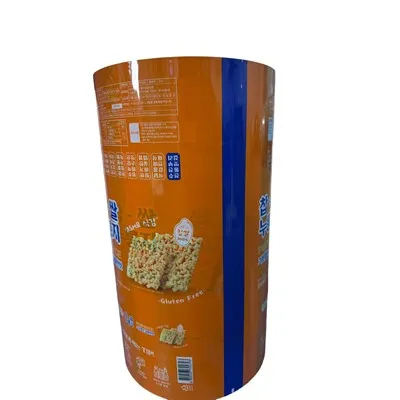
The cold – resistance property of rollstock films is a critical factor that influences their performance in various industries. Polymer composition, film thickness, and additives all play important roles in determining the cold – resistance of the films. Through rigorous testing methods, we can ensure that our rollstock films meet the highest standards of cold – resistance.
Cartoon Stickers If you are in need of high – quality cold – resistant rollstock films for your products, we are here to help. Our experienced team can provide you with in – depth information and professional solutions. Contact us today to start a discussion about your packaging needs. We look forward to the opportunity to work with you and contribute to the success of your business.
References
- Modern Plastics Encyclopedia Handbook, Various Editions
Nanjing Green Label Printing Co., Ltd.
We are one of the most professional rollstock films manufacturers and suppliers in China, also support customized service. We warmly welcome you to wholesale high quality rollstock films at competitive price from our factory. For pricelist and quotation, contact us now.
Address: No. 116-3 Suyuan Avenue, Jiangning District, Nanjing
E-mail: greenlabel@126.com
WebSite: https://www.chinalabelprint.com/
