If you’ve ever walked the floor of a small parts stamping shop, you know the cycle well: rolls of steel or aluminum arrive, presses punch out brackets, connectors, and washers, and somewhere in the mix, waste piles up. As a third-generation stamping small parts supplier, I’ve stood in that shop for 28 years, watching piles of off-cuts, scrap metal, and even oil-soaked rags grow faster than we can carry them away. For a long time, we treated that waste as an unavoidable cost—something to haul to the local scrap yard at the end of each month, cross it off the ledger, and move on. Then about five years ago, we hit a wall. Our local landfill raised its tipping fees by 40%, and our scrap metal buyer started paying less because the global market was glutted with excess steel. Suddenly, that “unavoidable cost” was eating into our margins, and we knew we couldn’t keep doing things the old way. That’s when we started rethinking every step of our process, from how we feed material into the press to how we sort the final scrap. Today, waste management isn’t just an environmental checkbox for us—it’s a way to save money, keep our operations running, and even serve our customers better. Stamping Small Parts
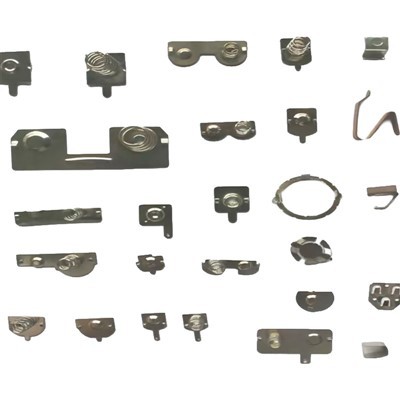
The first lesson we learned was that a lot of stamping waste doesn’t have to be waste at all. When we stamp small parts, most of our material comes in large coils, and the blanking step—where we cut the coil into shapes that fit the press—used to generate a lot of off-cuts that were too small to stamp again. We’d toss those into a bin, along with any parts that came out dented during finishing. Then a local manufacturer of wire shelving reached out; they needed small, flat steel blanks just 1 inch wide to weld onto their shelf frames. We sent them a sample of our old off-cuts, and they agreed to buy 1,200 pounds a month for a little less than we’d get from the scrap yard. That one conversation cut our off-cut waste by 35% right away. Now, we’ve built a network of five local small manufacturers that repurpose our stamping off-cuts for their own production. We just sort our scrap into two categories: clean, uncoated steel off-cuts that are flat and uniform, and then coated or irregular pieces that go to the scrap yard. It sounds simple, but it required us to stop seeing every piece of metal that didn’t fit our exact part drawings as worthless. For stamping small parts suppliers, that shift in mindset is everything—most of our waste is still high-quality material, it just needs a second home.
Another big source of waste in stamping operations is the oil and lubricants we use. Every press needs a thin layer of oil to prevent the steel from scratching and to keep the die from wearing out. For years, we changed our oil every three months, drained it into 55-gallon drums, and paid a waste hauler to pick it up and dispose of it. That cost us almost $12,000 a year, and the old oil was often contaminated with tiny metal shavings from the stamping process, which made it less valuable as a recycled product. We changed two things: first, we switched to a synthetic lubricant designed for small stamping operations, which only needs to be changed every six months, cutting our oil purchases in half. Second, we installed a simple filtration system that pulls metal shavings out of the used oil before it’s stored. Now, our used oil is almost pure, and we sell it to a local re-refinery for $0.25 a gallon, instead of paying someone to take it away. The filtration system cost us $1,800 to install, and we made that back in less than six months. It’s not glamorous, but for a small supplier, every dollar saved goes back into better equipment and faster turnaround for our customers.
We also made changes to our scrap sorting process, which used to be a free-for-all. A few of our line workers would throw everything into one bin when they were done for the day, and our scrap buyer would then deduct 10% from the price for any contaminated or mixed material. That meant we’d sometimes get just $0.08 a pound for steel that should have fetched $0.12. To fix this, we invested in color-coded bins, labeled clearly for each material: uncoated steel, galvanized steel, aluminum, and metal with oil or residue. We also trained every new worker during their first week to sort scrap correctly—no exceptions. We even added a small bonus: if a line hits three months of perfect sorting, the team gets a $500 gift card. The results were almost immediate. Within a year, our scrap payout increased by 22%, and we cut down on the amount of material we had to send to the landfill by 18%. The key here was making sorting easy, not another chore that workers would cut corners on. For stamping shops, where space is tight and workers are busy, clear, simple sorting systems don’t just reduce waste—they keep the shop running smoother.
We also started looking at the smaller, easy-to-overlook waste streams. The plastic wrap we use to cover raw material coils when they’re not in use, the cardboard boxes that parts arrive in, even the disposable gloves our workers wear—we used to throw all of that into one big trash bin. Now, we have a dedicated recycling area in our back storage space, with bins for cardboard, plastic, and paper. We found a local recycling company that picks these up for free, and we even get a small check from them each quarter for the plastic bales. That added up to another $1,200 a year, which might not sound like a lot, but for a small stamping shop that runs 12 hours a day, six days a week, that’s money we can put toward a new die for our most popular part. We also switched to reusable gloves for our finishing team, instead of disposable ones. It took a little getting used to, but the workers told us they liked how the reusable gloves fit better and didn’t tear as easily. We still use disposable gloves for any work that requires them, but for most of the finishing steps, the reusable ones cut our glove waste by 70%.
One thing we didn’t expect was that improving our waste management actually made us more competitive with customers. A few years ago, a medical device company reached out for a quote on a small aluminum bracket for their new product. They told us they’d been working with another stamping supplier, but they’d switched because that supplier was sending contaminated metal waste to a landfill, and their own ESG goals required them to work with suppliers who minimized their environmental impact. We’d already started our waste reduction efforts, so when we showed them our sorting processes, our oil recycling program, and our network of local off-cut buyers, they picked us. That win made us realize that waste management isn’t just a cost-saver—it’s a selling point. Today, we highlight our waste reduction efforts in every customer meeting, and it’s become a big reason why repeat customers come back to us, instead of looking for the lowest price.
Of course, it’s not been all smooth sailing. Early on, we had a few missteps. We tried to recycle our metal shavings ourselves at first, thinking we could sell them directly to the scrap yard. But the shavings were small and oily, and they got contaminated easily. We lost money on that for six months before we gave up and started selling them to a local metal reprocessing company that handles that type of material. That taught us a big lesson: you don’t have to do everything yourself. It’s okay to outsource parts of the waste process if it saves you time and money. We also had a few workers who were resistant to changing their habits, especially when we first introduced the color-coded bins. We addressed that by having our most senior workers test the system first, so they could see how much easier it made the scrap pickup and counting process. Once they were on board, the rest of the team followed.

If you’re a small stamping parts supplier, or even someone who works in a similar manufacturing shop, the key takeaway is that waste management doesn’t have to be complicated. It starts with looking at every part of your process, not just the end of it. You don’t need a huge budget or a team of environmental experts. We made changes with a $1,800 filtration system, some color-coded bins, and a little bit of training. The best solutions are often the simplest ones—like giving your local small manufacturers a call to see if they can use your off-cuts, or installing a filter for your oil to cut down on waste.
Stamped Parts At the end of the day, our goal isn’t to be a perfect environmental company. It’s to run a sustainable business that can stay open for another 50 years, while providing good jobs for our workers and good parts for our customers. That means taking care of the waste we generate, not just throwing it away. If you’re in need of small stamped parts, or you have questions about how a stamping shop can reduce its waste, don’t hesitate to reach out to our team to discuss your requirements and see how we can help.
- EPA, “Waste Reduction Guidelines for Manufacturing Industries,” U.S. Environmental Protection Agency, 2021.
- Stamping Association International, “Small Parts Stamping: Operational Best Practices,” SA International, 2022.
- Metal Recycling Association, “Scrap Sorting and Valuation for Small Manufacturers,” MRA, 2023.
- Occupational Safety and Health Administration, “Lubricant Management for Manufacturing Facilities,” OSHA, 2021.
Yuyao Aozhou Metal Products Co., Ltd.
We are one of the most experienced stamping small parts manufacturers and suppliers in China. With a professional production team, we are able to meet the needs of the majority of our customers. Please rest assured to buy customized stamping small parts made in China here from our factory.
Address: No.6, Nanbailonggang, Wuma Industrial Zone, Lubu Town, Yuyao City
E-mail: xqr-2316@163.com
WebSite: https://www.cnaozhou.com/
