If you’ve ever stood next to a pile of raw materials being readied for shipment, or unloaded a pallet of goods at a construction site, chances are you’ve crossed paths with an industrial woven bag. For the better part of a decade, I’ve run a small but dedicated operation supplying these bags—flexible, rugged, woven from polypropylene or high-density polyethylene (HDPE) to hold everything from cement and fertilizer to construction aggregate and food-grade grains. In that time, I’ve fielded hundreds of calls from potential customers, each asking the same core question: Is there actually enough demand for these bags to make this business worth investing in? Let me break down the real market demand for industrial woven bags, not just the textbook stats, but the on-the-ground reality I see every week as a supplier. Industrial Woven Bags
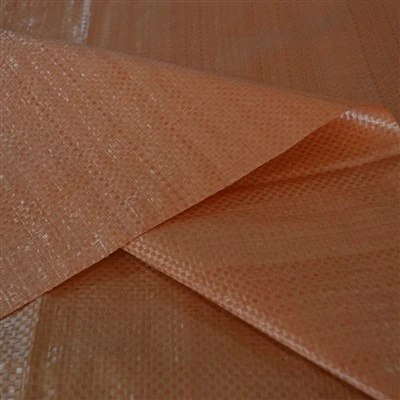
First, let’s ground this in hard data, because market demand isn’t just guesswork. According to recent research from the Industrial Packaging Association, the global industrial woven bag market hit roughly $18.7 billion in annual revenue in 2023, and it’s projected to grow at a steady 3.8% CAGR through 2030. What drives that growth? It’s not one single industry—it’s a ripple effect across sectors that all rely on affordable, reliable bulk packaging. The biggest slice of demand comes from agriculture, and for good reason. Fertilizers, animal feed, grains, and seeds are all bulk commodities that need to be transported and stored without spoilage, moisture damage, or leakage. A well-made woven bag is cheaper than most alternatives, way lighter than steel drums or rigid plastic containers, and sturdy enough to stack 5 high on a truck or warehouse pallet without splitting. Last month, I sent a shipment of 50,000 50kg woven bags to a soybean farmer’s cooperative in Iowa; they told me switching to our UV-treated bags cut their storage damage by 12% compared to the flimsy bags they’d been using. That’s the kind of win that turns a one-time order into a 12-month contract.
Next, construction is a massive, often overlooked, demand driver. When you’re mixing concrete, moving sand, gravel, or construction waste, you need bags that can hold heavy, abrasive materials without tearing. Industrial woven bags are ideal here because they’re customizable—we can add reinforced seams, UV resistance for outdoor storage, and even printed labeling for batch tracking. In the U.S., residential construction starts rose 8.1% in 2023, per the Census Bureau, and each new single-family home requires roughly 200kg of construction materials that get packaged in woven bags. Multiply that by the 1.5 million new housing starts, plus commercial construction and infrastructure projects like roads and bridges, and you’ve got a steady, year-round demand stream that rarely dries up. Last quarter, we picked up a contract with a mid-sized construction company in Texas that needed 100,000 heavy-duty woven bags a month for their highway expansion project; that order alone kept 3 of our production lines running 6 days a week.
But wait, what about the rise of alternative packaging? I get that question all the time. Some people say flexible intermediate bulk containers (FIBCs, or “big bags”) or rigid plastic totes will take over, and while those are growing, they’re not replacing standard industrial woven bags. FIBCs are great for 1-ton loads, but most small to mid-sized businesses—like local feed stores, small-scale grain processors, or independent construction crews—don’t need a $50 FIBC for 50kg of product. Standard woven bags are 10 to 20 times cheaper per unit, and they’re disposable after a single use, which is perfect for one-off projects or short-term shipments. Even for FIBC users, many still rely on smaller woven bags as liners or supplementary packaging. Then there’s the push for sustainability, which I thought would hurt our business at first, but it’s actually creating demand for upgraded woven bags. Modern woven bags are now made from 100% recycled polypropylene, and they’re fully recyclable or even compostable (if we use bio-based additives). A food processing client of ours switched to our recycled woven bags last year, and they told me it helped them meet their corporate sustainability goals without cutting into their bottom line. Consumers and regulators are pushing food, agriculture, and manufacturing companies to reduce single-use plastic waste, and our product is positioned exactly to meet that need—without sacrificing the strength they require.
The global supply chain has also shifted demand in unexpected ways. For years, most industrial woven bags were produced in Asia, but post-pandemic, transportation costs and lead times have made North American and European buyers look closer to home for suppliers. That’s been a huge win for small, regional suppliers like mine. Last year, I had a customer in Canada who used to order all their bags from a Chinese manufacturer; they switched to us because we could deliver a custom order in 10 days, versus 6 weeks from overseas, and the per-unit cost was only 5% higher, which saved them thousands in shipping and storage delays. That trend isn’t going away—more and more businesses are prioritizing local, reliable suppliers over cheap overseas options, and that’s created a gap that small to mid-sized suppliers can fill, as long as we offer consistent quality and flexible order sizes.
But it’s not just established businesses driving demand. The rise of small-scale manufacturing, e-commerce packaging for bulk industrial goods, and even the pet product industry has opened up new niches. Pet food producers, for example, use woven bags to hold 10kg and 20kg bags of dog and cat food, because the bags are durable enough to resist punctures from sharp kibble and moisture that could spoil the product. Last year, we landed a contract with a small pet food startup in Oregon that needed custom printed woven bags for their grain-free kibble; they went from ordering 10,000 bags a month to 50,000 this year as their brand grew. That’s the thing about industrial woven bags—they’re a foundational product for almost every industry that deals with bulk goods, so as those industries grow, demand grows with them.
Of course, it’s not all smooth sailing. There are headwinds, like fluctuations in raw material costs (polypropylene and HDPE are tied to oil and gas prices, which can be volatile), and competition from low-cost overseas suppliers for very basic, un-customized bags. But for suppliers who focus on quality, customization, and fast delivery, those headwinds are manageable. I’ve built my business by offering custom sizes, reinforced seams, UV treatment, and printed labeling at a price that’s competitive with overseas suppliers, and by keeping lead times short for small and medium orders. Most of our customers come back because they don’t want to risk a shipment splitting because of a cheap bag, or waiting 6 weeks for a critical order. I had a customer last spring who had a construction project delayed because their overseas bag supplier got stuck in a port backlog; they called me on a Tuesday, and I had 20,000 heavy-duty bags delivered to their site by Friday, and they’ve been a repeat customer ever since.
Now, let’s talk about the future of this demand. The United Nations predicts that global population will grow by nearly 2 billion people by 2050, which means more demand for agricultural goods to feed that population. That translates directly to more demand for packaging for fertilizer, seeds, and food grains. The construction sector is also projected to grow 4.2% annually through 2030, per the Global Construction Outlook, driven by urbanization in both North America and emerging markets like India and Southeast Asia. Even as the world shifts to more sustainable packaging, industrial woven bags are evolving too—we’re now working on biodegradable woven bags made from plant-based materials for food-grade products, and bags that have built-in tracking technology to help companies monitor inventory and reduce waste. The market isn’t shrinking; it’s adapting, and the businesses that can adapt with it are going to see steady demand for years to come.
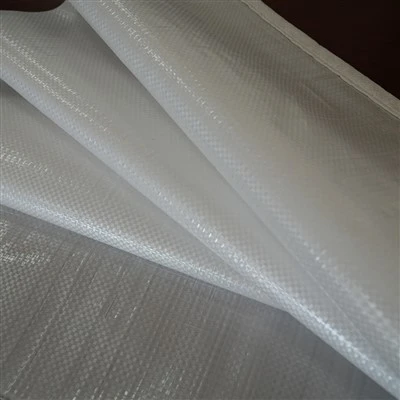
As a supplier, I’ve seen that the demand for industrial woven bags isn’t just a “commodity” demand—it’s demand rooted in necessity. Every time a farmer harvests a crop, every time a construction project breaks ground, every time a manufacturer ships bulk goods, they need a reliable way to contain those products. And for most of those businesses, industrial woven bags are the most practical, cost-effective solution available. If you’re a business owner, project manager, or procurement professional who needs industrial woven bags that are durable, customizable, and delivered on time, let’s connect to discuss your specific needs and how we can supply quality bags for your operations.
General-Purpose Woven Plastic Bags References:
Industrial Packaging Association. (2023). Global Industrial Woven Bags Market Report.
U.S. Census Bureau. (2024). Residential Construction Starts Annual Data.
Global Construction Outlook. (2024). Market Growth Projections 2024–2030.
United Nations Department of Economic and Social Affairs. (2023). World Population Prospects 2023.
Jining Shunxing Plastics Co., Ltd.
Jining Shunxing Plastics Co., Ltd. is one of the most professional industrial woven bags manufacturers and suppliers in China, featured by quality products and low price. Welcome to buy discount industrial woven bags in stock here and get pricelist from our factory. We also accept customized orders.
Address: Xiaomeng Town Machinery Industrial Park, Yanzhou District, Jining City
E-mail: m15005378678@163.com
WebSite: https://www.sxwovenbag.com/
