Hey guys, let’s keep this real. If you’re in the market for apparel, activewear, or even upholstery, you’ve probably heard people throw around “stretch fabric” and “non-stretch fabric” like they’re interchangeable. Spoiler: they’re not, and getting this wrong could cost you customers, mess up a production run, or just leave your end product feeling way less wearable than it should. As a stretch fabric supplier who’s been in this game for over 12 years, I’ve talked to so many brand owners, small boutique owners, and even factory managers who mix these two up all the time. Today, I’m breaking down exactly what sets them apart—no jargon, no confusing tech terms, just straight talk from someone who’s seen the good, bad, and ugly of both. Stretch Fabric
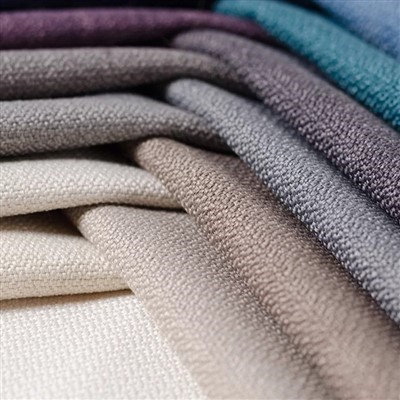
First off, let’s start with the basics. What even makes a fabric stretch or not? It all boils down to fiber composition and how the fabric is woven or knitted, right? Non-stretch fabrics are usually made with rigid fibers—cotton, polyester, linen, or even traditional silk. Those fibers don’t have any give in them, so when you pull the fabric, it doesn’t move much. Stretch fabrics? We add elastomeric fibers—think spandex, Lycra, elastane, whatever you want to call that super stretchy stuff. That’s the game-changer. I’ve seen brands cut corners by mixing just a tiny bit of spandex in, like 2%, and wonder why their product doesn’t stretch. Trust me, 2% is basically non-stretch for practical purposes. You need at least 5-10% to get that noticeable give, and for high-performance stuff like leggings or sports bras, we go up to 20% or more.
Wait, let’s get specific on weave vs knit too. Non-stretch fabrics are almost always woven—like plain weave, twill, satin. Woven fabrics have crisscrossing threads that are interlaced over and under each other, so when you pull, the threads lock into place. That’s why a cotton tee doesn’t stretch—those cotton threads are rigid and the weave is tight. Stretch fabrics are mostly knitted, though sometimes you’ll get stretch woven if the brand is going for a specific look. Knitted fabrics have loops of yarn that can slide and stretch, plus if you add spandex to those loops, you get way more give. I remember a customer last year who came to us complaining their yoga pants kept slipping down. Turns out they used a stretch woven that only stretched 5% max, instead of a stretch knit that stretches 30% or more. That’s the kind of tiny difference that messes up a whole line.
Next, feel and wearability. Non-stretch fabrics have a crisp, structured feel—think a button-down shirt or a pair of chinos. They hold their shape really well, so if you want a blazer that stays sharp or a tablecloth that doesn’t wrinkle too much, non-stretch is your go-to. But here’s the thing: non-stretch can be uncomfortable for anything that moves. If you’ve ever worn a pair of jeans that feel like they’re suffocating you when you bend over, that’s non-stretch denim (though a lot of modern denim has a tiny bit of spandex now to fix that). Stretch fabrics, on the other hand, feel like a second skin. They move with your body, don’t restrict movement, and even contour to your shape. I’ve had athletes tell me our stretch fabric leggings feel like they don’t exist when they’re running a marathon— that’s the kind of feedback you can’t get from non-stretch.
Wait, let’s talk about elasticity and recovery—those are big terms but super important. Elasticity is how much the fabric can stretch, and recovery is how well it goes back to its original shape. Non-stretch fabrics have almost zero elasticity, and they don’t recover at all. Pull a non-stretch cotton bed sheet, and it might stretch a little but stay outta shape forever. Stretch fabrics, especially the good ones (like the ones we make), have high elasticity and almost perfect recovery. We test all our fabrics: a 4-way stretch fabric from us will stretch up to 30-50% and bounce right back to its original size, no sagging, no baggy knees in leggings, no stretched-out waistbands. Bad stretch fabrics, though? They’re the cheap ones that have low spandex content, so they stretch a little but stay loose after one wash. That’s why so many people think stretch fabric is low quality—they’ve bought the cheap stuff. Non-stretch doesn’t have that problem, but it can be less versatile.
Durability is another big one people ask about. A lot of folks think non-stretch is more durable because it’s rigid, but that’s not always true. High-quality stretch fabric, when made correctly, is actually super durable. We have a stretch fabric we supply for workwear that’s been tested to 50 wash cycles and still stretches the same as new, no pilling, no sagging. Non-stretch fabrics can tear easier if they’re pulled wrong, because the weave is tight and doesn’t have give. Wait, no—wait, let’s not generalize too much. A heavy canvas non-stretch is way more durable than a thin stretch jersey. It all comes down to the fiber blend and the construction, but generally, for activewear or apparel that takes a lot of movement, stretch holds up really well if it’s made right. Non-stretch is better for things like upholstery that doesn’t get stretched, where structure is key.
Then there’s versatility for different use cases. Let’s break down what each is best for. Non-stretch fabrics: formalwear (blazers, dress shirts), structured apparel (chinos, suits), upholstery (couches, chairs), home goods (tablecloths, curtains), heavy-duty workwear (utility pants, work shirts). If you need something that holds its shape, looks crisp, and doesn’t move much, non-stretch is your guy. Stretch fabrics: activewear (leggings, sports bras, running gear), loungewear (hoodies, joggers, sleepwear), fitted apparel (bodycon dresses, skinny jeans), sportswear (cycling shorts, swimwear), even medical wear (compression sleeves, hospital gowns that move with patients). The versatility here is huge—you can’t make a good pair of leggings with non-stretch, just like you can’t make a tailored blazer with stretch (unless it’s a stretch wool, which is a hybrid, but that’s a different story).
Wait, let’s talk about hybrids, because a lot of people don’t know those exist. A stretch wool is a mix of wool and spandex, so it has structure like non-stretch but a tiny bit of give. Or stretch denim, which is cotton plus 2-5% spandex, so it’s structured like denim but moves a little. Those are great for people who want the best of both worlds, but they’re not the same as 100% stretch or non-stretch. That’s why it’s important to read the fabric content tag—if it has spandex, elastane, or Lycra, it’s got some stretch. If not, it’s non-stretch, mostly.
Now, let’s get to common mistakes people make when choosing between the two. One I see all the time: brands trying to use non-stretch for fitted activewear. That’s a disaster—your leggings will be tight, restrict movement, and people will complain they’re uncomfortable. Another one: using cheap stretch fabric with low recovery, so after a few washes, it’s baggy and looks worn out. I had a small boutique owner come to me last year because their supplier’s stretch leggings were falling apart after 2 washes—turns out the supplier only used 3% spandex, and it was low-grade. We switched them to our 15% spandex stretch fabric, and they’ve reordered 4 times since. On the flip side, I’ve had brands use stretch fabric for a formal wedding dress, and it looked slouchy instead of elegant. You don’t want a wedding dress that stretches when you dance, right? So that’s another big mistake.
Wait, let’s address a myth: non-stretch is always cheaper. Nope, not anymore. High-quality stretch fabric can be comparable in price to premium non-stretch, especially if you’re using good spandex. The cheap stuff is cheap, but the good stuff is worth it. I’ve had customers tell me they thought stretch was more expensive, but when they factored in returns from uncomfortable leggings and repeat customers from our durable fabric, it ended up being cheaper in the long run. That’s a big point—don’t just look at upfront cost, look at lifetime value.
Now, as someone who’s been in this stretch fabric game for years, let me give you a quick tip for your next project. If you’re making anything that requires movement, comfort, or a close fit, go with stretch. If you need structure, crispness, or something that holds its shape over time, stick with non-stretch. But if you’re on the fence, reach out—we can help you test samples, figure out the right spandex percentage, and make sure you get exactly what you need. I’ve worked with so many different brands, from small Etsy shops to big sportswear companies, and I know how to tailor a fabric to your specific use case.

Look, at the end of the day, the difference between stretch and non-stretch isn’t just about how much a fabric moves—it’s about what it’s made for. Stretch is for comfort and movement, non-stretch is for structure and precision. As a stretch fabric supplier, my whole thing is making sure you don’t have to guess which one is right for you. I’ve seen so many people waste time and money picking the wrong one, so that’s why I’m laying this out straight.
Sweatshirt Fleece If you’re looking for high-quality stretch fabric, need help choosing the right blend, or want to test samples before placing a big order, hit us up. We’ve got options for every project—from activewear to loungewear to workwear, all with that perfect stretch and recovery that won’t let you down. Don’t settle for cheap, saggy stretch fabric or rigid non-stretch that limits your design. Let’s chat and get your project on track.
References
- Textile Institute. (2022). “Elastomeric Fibers and Stretch Fabric Construction”. Journal of Textile Science and Apparel Technology.
- The Spruce. (2023). “Understanding Weave and Knit Fabrics for Apparel Design”.
- Cotton Council International. (2021). “Performance Differences Between Stretch and Non-Stretch Textiles for Apparel”.
Shaoxing Xinlian Dyeing & Weaving Industrial Teade Co., Ltd.
We’re well-known as one of the leading stretch fabric manufacturers and suppliers in China. With a professional production team, we are able to meet the needs of the majority of our customers. Please rest assured to wholesale bulk customized stretch fabric from our factory.
Address: Building 3-2, Huangxian Village, Lanting Subdistrict, Keqiao District, Shaoxing City, Zhejiang Province, China
E-mail: inquiryxinlian@163.com
WebSite: https://www.xinliantextile.com/
