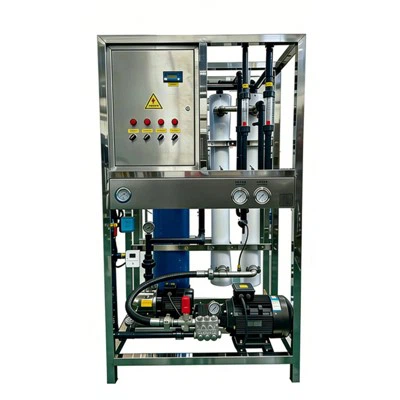
Membrane swelling is a crucial phenomenon that significantly impacts membrane filtration equipment. As a supplier of membrane filtration equipment, I have witnessed firsthand how membrane swelling can both challenge and enhance the performance of our filtration systems. This blog post will explore the effects of membrane swelling on membrane filtration equipment, from the underlying mechanisms to practical implications for our customers. Membrane Filtration Equipment
Understanding Membrane Swelling
Membrane swelling occurs when a membrane absorbs a solvent, causing it to expand in volume. This process is driven by the interaction between the membrane material and the solvent molecules. Factors such as the chemical nature of the membrane and solvent, temperature, and pressure play significant roles in membrane swelling.
For instance, in hydrophilic membranes, which have an affinity for water, swelling is more likely to occur when in contact with aqueous solutions. The water molecules penetrate the membrane structure, breaking intermolecular bonds and causing the membrane to expand. In contrast, hydrophobic membranes, which repel water, are less prone to swelling in aqueous environments but may swell in organic solvents.
Effects on Membrane Structure
Pore Size and Distribution
One of the most direct effects of membrane swelling is the alteration of pore size and distribution. When a membrane swells, the pores within the membrane structure can expand or contract. In some cases, the increased volume of the membrane material can lead to a decrease in pore size as the matrix surrounding the pores compresses. This can be beneficial for applications where finer filtration is required, such as in the removal of small particles or macromolecules from a solution.
However, excessive swelling can also cause pore blockage or pore merging. Pore blockage occurs when the expanded membrane material fills the pores, reducing the flow of the feed solution through the membrane. Pore merging, on the other hand, happens when adjacent pores combine to form larger pores, which can compromise the selectivity of the membrane.
Mechanical Stability
Membrane swelling can also have a profound impact on the mechanical stability of the membrane. As the membrane expands, it experiences internal stresses that can lead to deformation or even rupture. This is particularly problematic in membrane filtration equipment that operates under high pressure. A swollen membrane may not be able to withstand the pressure exerted by the feed solution, resulting in the failure of the membrane and the loss of filtration efficiency.
To mitigate these issues, membrane manufacturers often design membranes with enhanced mechanical properties. For example, composite membranes, which consist of multiple layers with different functions, can provide better resistance to swelling-induced deformation. Additionally, the use of support structures or reinforcement materials can help to maintain the shape and integrity of the membrane during the swelling process.
Impact on Filtration Performance
Permeability
Permeability, which refers to the ability of a membrane to allow the passage of a fluid, is closely related to membrane swelling. In some cases, moderate swelling can increase the permeability of the membrane by enhancing the mobility of the solvent molecules within the membrane structure. This can lead to an increase in the flux, or the rate of fluid flow through the membrane, which is desirable for most filtration applications.
However, excessive swelling can have the opposite effect. As mentioned earlier, pore blockage and reduced mechanical stability can significantly reduce the permeability of the membrane. This can result in a decrease in the filtration efficiency and an increase in the energy consumption required to maintain the desired flow rate.
Selectivity
Selectivity is another important parameter in membrane filtration, which refers to the ability of the membrane to separate different components in a mixture. Membrane swelling can affect selectivity by altering the size and shape of the pores, as well as the interactions between the membrane and the solutes in the feed solution.
For example, if the pores of a membrane expand due to swelling, larger solutes that were previously retained by the membrane may now pass through, reducing the selectivity of the membrane for these solutes. On the other hand, swelling can also enhance the selectivity for certain solutes by changing the surface properties of the membrane. For instance, a swollen membrane may have a higher affinity for specific solutes, allowing for more efficient separation.
Operational Considerations
Feed Solution Chemistry
The chemistry of the feed solution is a critical factor that affects membrane swelling. Contaminants, additives, or changes in the pH or ionic strength of the feed solution can all influence the extent and nature of membrane swelling. For example, the presence of charged particles in the feed solution can interact with the charged groups on the membrane surface, leading to changes in the swelling behavior of the membrane.
To optimize the performance of membrane filtration equipment, it is essential to carefully control the chemistry of the feed solution. This may involve pre-treatment steps such as filtration, coagulation, or pH adjustment to remove contaminants and ensure a stable feed environment for the membrane.
Temperature and Pressure
Temperature and pressure are also important factors that can affect membrane swelling. Generally, an increase in temperature can accelerate the rate of swelling as it provides more energy for the solvent molecules to penetrate the membrane structure. However, high temperatures can also cause thermal degradation of the membrane material, reducing its performance and lifespan.
Pressure, on the other hand, can have a complex relationship with membrane swelling. While high pressure can enhance the permeation of the feed solution through the membrane, it can also exacerbate the mechanical stress on the swollen membrane, increasing the risk of membrane failure. Therefore, it is crucial to carefully balance the temperature and pressure conditions in membrane filtration equipment to minimize the adverse effects of membrane swelling.
Strategies to Manage Membrane Swelling
Membrane Material Selection
Choosing the right membrane material is the first step in managing membrane swelling. Different membrane materials have different swelling characteristics, and selecting a material that is less prone to swelling in the specific application environment can significantly improve the performance and lifespan of the membrane filtration equipment.
For example, in applications where the feed solution contains a high concentration of organic solvents, choosing a hydrophobic membrane material that is resistant to swelling in organic solvents can be a good strategy. Similarly, in high-temperature applications, using a membrane material with high thermal stability can help to reduce the effects of swelling.
Membrane Modification
Membrane modification techniques can also be used to control membrane swelling. For example, surface modification can be used to change the chemical properties of the membrane surface, reducing its affinity for the solvent and minimizing swelling. Cross-linking is another common modification technique that can enhance the mechanical stability of the membrane and reduce its swelling capacity.
Process Optimization
Optimizing the operating conditions of the membrane filtration process can also help to manage membrane swelling. This includes controlling the temperature, pressure, and flow rate of the feed solution, as well as implementing appropriate cleaning and maintenance procedures. Regular cleaning of the membrane can remove contaminants and prevent fouling, which can exacerbate membrane swelling.
Conclusion
As a supplier of membrane filtration equipment, understanding the effects of membrane swelling is crucial for providing high-quality products and solutions to our customers. Membrane swelling can have both positive and negative effects on the performance of membrane filtration equipment, depending on the specific application and operating conditions.
By carefully selecting the appropriate membrane material, implementing membrane modification techniques, and optimizing the operating conditions, we can effectively manage membrane swelling and ensure the efficient and reliable operation of our membrane filtration equipment.
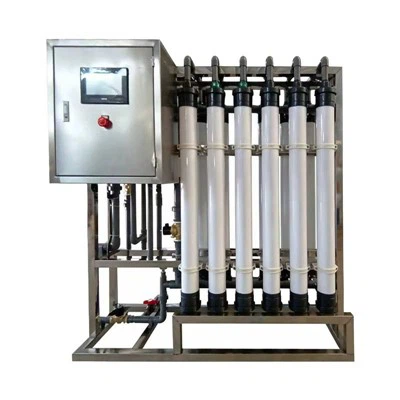
If you are interested in learning more about our membrane filtration equipment or would like to discuss potential applications and solutions, please feel free to contact us. Our team of experts is always ready to provide you with professional advice and support to meet your specific needs.
Industrial RO Equipment References
- Cheryan, M. (1998). Ultrafiltration and Microfiltration Handbook. Technomic Publishing.
- Mulder, M. (1996). Basic Principles of Membrane Technology. Kluwer Academic Publishers.
- Baker, R. W. (2004). Membrane Technology and Applications. Wiley.
Shandong Yanuo Environmental Protection Equipment Co., Ltd.
We’re well-known as one of the leading membrane filtration equipment manufacturers and suppliers in China, featured by quality products and good price. Please rest assured to buy bulk membrane filtration equipment made in China here from our factory. Customized orders are welcome.
Address: North Side of the Road, 1,000 Meters West of the Intersection of Fenghuangshan West Road and Provincial Highway S102, Wangfu Subdistrict, Qingzhou City, Weifang City, Shandong Province.
E-mail: ynhb.499973983@gmail.com
WebSite: https://www.zkyaruo.com/
