The food industry is a dynamic and highly regulated sector where food packaging solutions play a pivotal role. As a professional in the Food Packaging Solutions supply business, I firmly believe that understanding and meeting the technical requirements is not only crucial for ensuring the safety and quality of food products but also for enhancing the competitiveness of food manufacturers in the market. Food Packaging Solutions
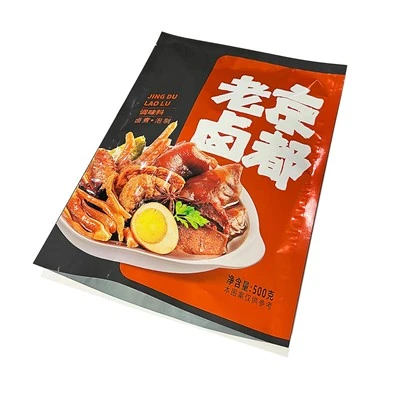
1. Preservation and Protection
One of the primary technical requirements for food packaging solutions is the ability to preserve and protect food products from various external factors. Oxygen, moisture, light, and microorganisms are the main culprits that can cause food deterioration. For instance, oxygen can lead to oxidation of fats and oils in food, resulting in rancidity and off – flavors. High moisture content can promote the growth of mold and bacteria, and light can cause color changes and nutrient loss.
To address these issues, we use different types of packaging materials with specific barrier properties. For oxygen – sensitive foods such as coffee and meat, we often recommend packages with high oxygen barrier materials like polyvinylidene chloride (PVDC) or ethylene – vinyl alcohol (EVOH). These materials can significantly reduce the oxygen transmission rate (OTR), keeping the food fresh for a longer period.
Moisture control is equally important. Materials like polyethylene (PE) and polypropylene (PP) have good moisture resistance properties. For food products that need to be kept dry, we can integrate moisture – absorbing agents within the packaging to further enhance the protection against moisture.
In addition to chemical and microbial protection, packaging also needs to provide physical protection. The packaging should be strong enough to withstand the rigors of transportation, handling, and storage. For example, corrugated cardboard boxes are widely used for bulk food transportation as they offer excellent cushioning and shock absorption. For fragile food items such as glass jars or bottles, we can design additional protective layers or inserts to prevent breakage.
2. Hygiene and Safety
Hygiene and safety are non – negotiable requirements in food packaging. The packaging materials must be free from harmful substances that could migrate into the food. Regulatory bodies around the world, such as the U.S. Food and Drug Administration (FDA) and the European Food Safety Authority (EFSA), have strict regulations regarding the use of packaging materials in contact with food.
We ensure that all our packaging materials are carefully selected and comply with relevant food safety standards. For example, when using plastic materials, we check for substances like bisphenol A (BPA) and phthalates, which are known to be potentially harmful. We source materials from reliable suppliers who can provide certificates of compliance.
In addition to the materials themselves, the manufacturing and packaging processes also need to be hygienic. Our production facilities are equipped with advanced cleaning and sterilization systems. We follow strict Good Manufacturing Practices (GMP) to ensure that the packaging is produced in a clean and controlled environment. For example, in the case of packaging for ready – to – eat foods, we use aseptic packaging technology, which involves high – temperature short – time (HTST) sterilization of both the packaging material and the food product to prevent the growth of microorganisms.
3. Compatibility with Food Products
The packaging must be compatible with the specific food product it is intended for. Different foods have different characteristics, such as acidity, alkalinity, fat content, and texture, which can interact with the packaging material.
For acidic foods like tomatoes and citrus juices, the packaging material needs to be resistant to acids. Glass and certain types of plastics, such as polyethylene terephthalate (PET), are often good choices as they are relatively inert to acidic substances. For fatty foods, the packaging should not be affected by the fat, and materials like aluminum foil or polypropylene can be suitable options.
The texture of the food also matters. For example, for sticky foods like honey or jam, the inner surface of the packaging should be smooth to ensure easy pouring and to prevent the food from sticking to the sides. In some cases, we may need to apply special coatings to the packaging to improve its compatibility with the food.
4. Convenience and Functionality
In today’s fast – paced world, consumers value convenience highly. Food packaging solutions should be designed with features that make it easy for consumers to handle, open, close, and store the food.
Re – sealable packaging is a popular choice as it allows consumers to keep the food fresh after opening. For example, many snack bags now come with a zip – lock feature. Easy – open tabs and tear strips are also common in food packaging, especially for cans and cartons. These features reduce the difficulty and time required for consumers to access the food.
Portion control is another aspect of convenience. Packaging can be designed to provide pre – measured portions, which is beneficial for both consumers’ health and food waste reduction. For example, single – serve yogurt cups and individual cereal bars are popular products that meet the demand for portion – controlled packaging.
5. Sustainability
Sustainability has become an increasingly important technical requirement for food packaging solutions. Consumers are more environmentally conscious, and regulatory bodies are also promoting the use of sustainable packaging materials and practices.
We are committed to providing sustainable packaging options. This includes using biodegradable and compostable materials such as paper, cardboard, and some bio – based plastics. These materials can break down naturally in the environment, reducing the accumulation of waste.
In addition to the materials, we also focus on reducing packaging waste through design optimization. For example, we can use lightweight materials without sacrificing the protective performance of the packaging. By minimizing the amount of material used, we can not only reduce costs but also contribute to environmental protection.
6. Information Display
The packaging also serves as an important medium for information display. It should provide clear and accurate information about the food product, including ingredients, nutritional facts, expiration date, storage instructions, and allergen warnings.
The information should be presented in a way that is easy for consumers to read and understand. We use appropriate fonts, colors, and graphics to ensure the visibility of the information. In addition, with the increasing use of digital technology, we are also exploring the possibility of incorporating QR codes or near – field communication (NFC) tags on the packaging. These technologies can provide consumers with more detailed information about the food, such as its origin, production process, and quality certifications.
Conclusion and Call to Action
In conclusion, the technical requirements for food packaging solutions in the food industry are complex and multi – faceted. From preservation and protection to hygiene, compatibility, convenience, sustainability, and information display, every aspect plays a vital role in ensuring the success of food products in the market.
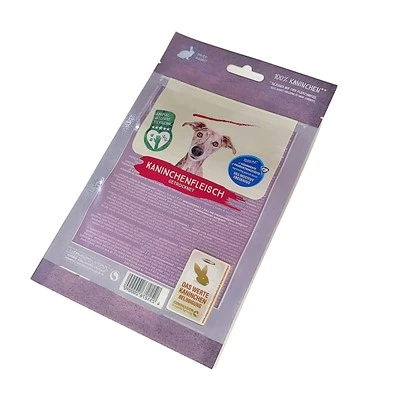
As a leading Food Packaging Solutions supplier, we have the expertise and experience to meet all these technical requirements. Our team of professionals is dedicated to providing high – quality, innovative, and sustainable packaging solutions tailored to the specific needs of each client.
Beverage Packaging Solutions If you are a food manufacturer looking for reliable and cutting – edge food packaging solutions, we invite you to reach out to us for a detailed discussion. We are eager to partner with you to create packaging solutions that not only meet the technical requirements but also enhance the appeal and competitiveness of your food products.
References
- "Food Packaging Technology" by Owen R. Fennema
- "Handbook of Food Packaging" edited by Yam K. L. and Lee S. Y.
- Regulations from the U.S. Food and Drug Administration (FDA)
- Guidelines from the European Food Safety Authority (EFSA)
Qingdao Senlida Packing Co., Ltd.
Qingdao Senlida Packing Co., Ltd. is one of the most experienced food packaging solutions manufacturers and suppliers in China since 1995. With a professional production team, we are able to meet the needs of the majority of our customers. Please feel free to buy high quality packing products at competitive price from our factory.
Address: No.299 Feichao Road, Luwang Town, Huangdao District, Qingdao, Shandong Province, China.
E-mail: liuxh@qdsenlida.com
WebSite: https://www.senlidapacking.com/
