As a reliable supplier of Electronic Component Flammability Testers, I understand the importance of maintaining these sophisticated pieces of equipment. Proper cleaning after each use not only extends the lifespan of the tester but also ensures accurate and consistent test results. In this blog, I’ll share some comprehensive guidelines on how to clean your Electronic Component Flammability Tester effectively. Electronic Component Flammability Tester

Pre – cleaning Procedures
Before you start the cleaning process, it’s essential to take some preparatory steps to ensure your safety and the integrity of the tester.
First, turn off the tester and unplug it from the power source. This prevents any electrical hazards during the cleaning process. Even if the tester seems to be in a non – active state, there could still be residual electrical charges in the system.
Next, allow the tester to cool down completely. Electronic Component Flammability Testers often operate at high temperatures during testing. Cleaning a hot tester can not only cause burns but also damage the cleaning materials and potentially the internal components of the tester. Check the temperature of the tester surface by gently touching it with the back of your hand. If it feels warm or hot, wait for it to cool.
Gather all the necessary cleaning materials. You will need a soft, lint – free cloth, a mild cleaning solution (such as a mixture of water and a small amount of dish soap), compressed air cans, and a small brush with soft bristles. Avoid using abrasive materials or harsh chemicals, as they can scratch the surfaces of the tester and corrode the components.
Cleaning the Exterior
The exterior of the Electronic Component Flammability Tester is the first area to clean. Start by using a soft, dry lint – free cloth to wipe away any loose dust and debris. Wipe the entire exterior surface, including the front panel with controls and displays, the sides, and the back of the tester. Pay special attention to the corners and edges where dust tends to accumulate.
For stubborn dirt or fingerprints, dampen the cloth with the mild cleaning solution. Make sure the cloth is not dripping wet, as excessive moisture can seep into the tester and cause damage. Gently wipe the affected areas in a circular motion. Avoid getting the cleaning solution on the electrical connections or vents. After wiping, use a dry part of the cloth to remove any remaining moisture.
Clean the display screen carefully. Use a screen – safe cleaning solution or a microfiber cloth slightly dampened with water. Avoid applying too much pressure, as this can damage the screen. Wipe the screen gently from top to bottom and then from side to side to remove smudges and fingerprints.
The control buttons and knobs also need attention. Use a small brush with soft bristles to clean around the edges of the buttons and knobs, removing any dirt or debris that may be trapped. Then, use the damp cloth to clean the button and knob surfaces. Be careful not to let liquid seep into the button mechanisms.
Cleaning the Interior
Cleaning the interior of the Electronic Component Flammability Tester requires more caution and should be done periodically, depending on the frequency of use.
Begin by removing the access panels if possible. Refer to the user manual for instructions on how to safely remove the panels without causing damage. Once the panels are removed, you can see the internal components of the tester.
Use compressed air cans to blow away dust and debris from the internal components. Hold the can upright and keep a safe distance from the components to avoid causing damage. Start from the top and work your way down, making sure to cover all areas, including the circuit boards, wires, and fans.
For areas with more stubborn dirt or grease, you can use a cotton swab dipped in a small amount of isopropyl alcohol. Be very careful when using isopropyl alcohol, as it can be flammable. Use it in a well – ventilated area and make sure to let the area dry completely before reassembling the tester. Gently clean the dirty areas with the cotton swab, taking care not to touch any sensitive components.
If the tester has a combustion chamber, it needs special attention. After each test, there may be residues of the tested components left in the chamber. Use a soft brush to carefully remove any solid residues. You can also use a mild cleaning solution and a cloth to wipe the inside of the chamber. Make sure to dry the chamber thoroughly to prevent rust or corrosion.
Cleaning the Accessories
The Electronic Component Flammability Tester usually comes with various accessories, such as sample holders, burners, and sensors. These accessories also need regular cleaning.
For sample holders, remove any remaining sample materials. If the sample holders are made of metal, you can soak them in a mild cleaning solution for a short period and then use a brush to clean off any stubborn residues. Rinse them thoroughly with water and dry them completely.
Burners should be cleaned to ensure a proper flame. Use a small wire brush to remove any carbon deposits or debris from the burner ports. Make sure the ports are clear to allow a consistent flow of gas.
Sensors are sensitive components. Use a soft, dry cloth to wipe the sensors gently. Avoid using any cleaning solutions or solvents on the sensors unless specifically recommended by the manufacturer.
Post – cleaning Checks
After completing the cleaning process, thoroughly inspect the tester. Check for any signs of damage, such as cracked parts, loose wires, or damaged connections. If you notice any issues, do not attempt to repair the tester yourself. Contact our technical support team immediately.
Reassemble the tester by carefully replacing all the access panels and accessories. Make sure everything is properly aligned and securely fastened.
Plug in the tester and turn it on. Check if all the functions are working correctly. Run a diagnostic test if available to ensure the tester is in proper working condition.
Conclusion
Properly cleaning your Electronic Component Flammability Tester after each use is crucial for maintaining its performance, accuracy, and longevity. By following these guidelines, you can ensure that your tester remains in top – notch condition and provides reliable test results for years to come.
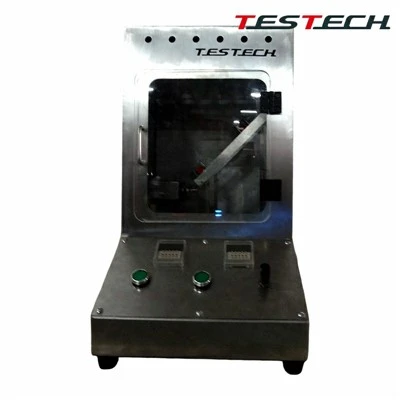
If you are in the market for a high – quality Electronic Component Flammability Tester or need further advice on maintenance, feel free to reach out to us. Our team of experts is always ready to assist you with your requirements. We can provide customized solutions based on your specific testing needs. Whether you are a small – scale laboratory or a large – scale manufacturing plant, we have the right tester for you.
Fabric Flammability Tester Contact us today to start the conversation about purchasing the perfect Electronic Component Flammability Tester for your business.
References
- Manufacturer’s user manual for Electronic Component Flammability Testers
- Industry best practices for cleaning electrical testing equipment
TESTech Instrument (Suzhou) Technologies
TESTech Instrument (Suzhou) Technologies is one of the most reliable electronic component flammability tester manufacturers and suppliers in China. If you’re going to wholesale durable electronic component flammability tester, welcome to get quotation from our factory. For price consultation, contact us.
Address: 8/F, R&D and Production Workshop No. 5, Jiangsu Guoqian Technology Innovation Industrial Park, 168 Lüliangshan Road, Huqiu District, Suzhou, Jiangsu Province, China
E-mail: sales@testech.com.cn
WebSite: https://www.testechfiretest.com/
